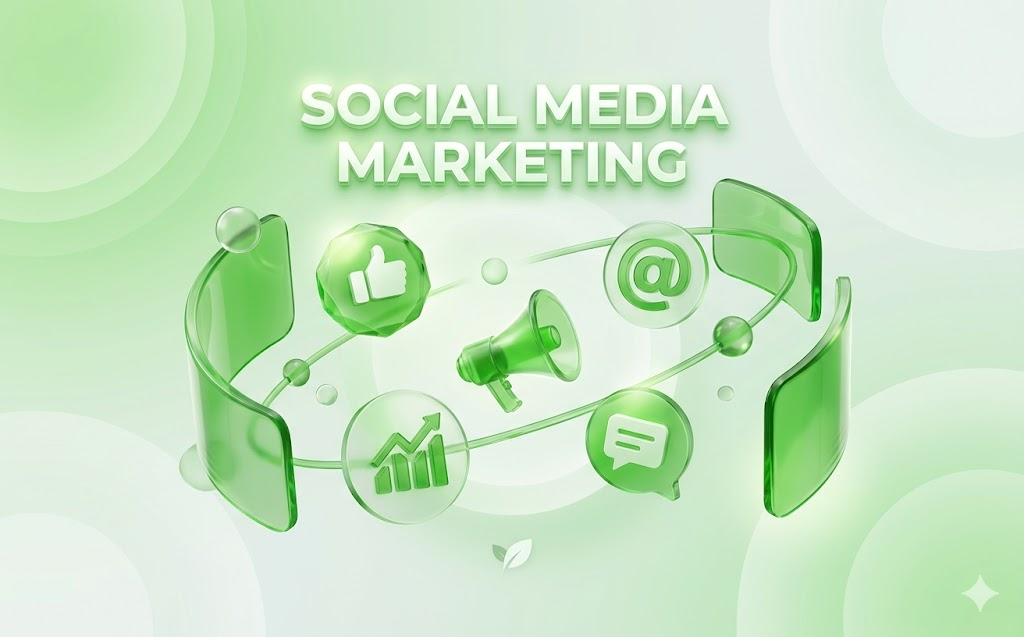
Social media has become one of the most powerful tools for modern business growth. It allows brands to connect with audiences, build trust, and increase visibility across digital platforms. Today, companies of all sizes use social channels to promote products and services effectively. With billions of users online, social platforms offer unmatched opportunities for engagement and communication. Businesses can now reach targeted audiences with precision and measure their performance in real time. This article explains the importance, strategies, and future of Social Media Marketing in detail, helping you understand how it drives brand success in the digital world. Digital transformation continues to reshape marketing approaches worldwide every single day rapidly.
What is Social Media Marketing
Social media marketing is the use of social platforms to promote brands, products, and services. It involves creating content, engaging with users, and running paid advertisements to achieve business goals. This form of marketing focuses on building relationships with audiences rather than only selling directly. Platforms like Facebook, Instagram, TikTok, and LinkedIn play a major role in reaching targeted users. Businesses use social media marketing to increase brand awareness, generate leads, and improve customer loyalty. It also helps companies understand consumer behavior through analytics and insights. With consistent effort and strategy, social media marketing becomes a powerful tool for driving traffic and conversions for businesses of all industries. Continuous adaptation ensures long term success in competitive digital markets everywhere globally.
Benefits
Social media marketing offers many benefits for businesses looking to grow online. It provides cost effective advertising compared to traditional marketing methods. Brands can reach large audiences without spending huge budgets. It also improves customer engagement by allowing direct communication with users. Businesses can respond to feedback quickly and build stronger relationships. Another major benefit is increased brand awareness across global markets. Social media platforms also help drive website traffic and improve search engine rankings. Additionally, companies can track performance metrics to measure success accurately. This data driven approach helps in making better marketing decisions. Overall, social media marketing enhances visibility, credibility, and profitability for businesses in all sectors. It remains essential for long term sustainable digital growth success globally.
Strategies
Effective social media marketing strategies help businesses achieve strong online growth. The first strategy is defining clear goals such as brand awareness, traffic, or sales. The second is identifying target audience based on interests and behavior. Content planning is also important for maintaining consistency across platforms. Posting regularly helps keep audiences engaged and informed. Using hashtags and trends increases content visibility. Influencer partnerships can also expand reach and credibility. Paid advertising campaigns should be optimized for better ROI. Businesses must also focus on storytelling to build emotional connections with users. Testing different content formats helps identify what works best. Monitoring competitors provides insights for improvement. A strong strategy combines creativity, data, and consistency to achieve marketing success in competitive digital environments. Businesses that adapt quickly to changing algorithms gain stronger competitive advantage over time in digital marketing landscapes globally evolving.
Platforms
Social media platforms are essential tools for digital marketing success. Each platform offers unique features and audience types. Facebook is widely used for community building and advertising campaigns. Instagram focuses on visual content and brand storytelling. TikTok is popular for short engaging videos that go viral quickly. LinkedIn is best for professional networking and B2B marketing. YouTube helps businesses share long form video content and tutorials. Twitter is effective for real time updates and discussions. Choosing the right platform depends on business goals and target audience. Using multiple platforms increases reach and engagement. However, businesses must tailor content according to each platform’s style. A balanced platform strategy ensures better visibility and stronger brand presence online consistently over time globally reach.
Content Creation
Content creation is the backbone of successful social media marketing campaigns. High quality content attracts and retains audience attention effectively. Businesses should focus on creating engaging visuals, videos, and captions. Storytelling plays a key role in connecting emotionally with users. Consistent posting schedules help maintain visibility and engagement. Creativity and originality are important for standing out in competitive markets. Content should be optimized for each platform to maximize performance. Using analytics helps identify what type of content works best. Brands should experiment with different formats such as reels, blogs, and infographics. Collaboration with creators can further enhance content reach. Ultimately, strong content creation drives brand growth and customer loyalty effectively.
Advertising
Social media advertising is a powerful way to reach targeted audiences quickly and efficiently. Businesses use paid campaigns to promote products and increase conversions. Platforms like Facebook Ads and Instagram Ads offer advanced targeting options. These allow marketers to reach users based on age, location, interests, and behavior. Advertising budgets can be adjusted according to performance and goals. A/B testing helps optimize ad creatives for better results. Video ads are especially effective in capturing user attention. Retargeting strategies help businesses reconnect with potential customers. Clear call to action improves engagement and sales. Monitoring ad performance ensures better return on investment. With the right strategy, social media advertising can significantly boost brand visibility and revenue. It delivers measurable results for businesses.
Analytics
Analytics plays a crucial role in measuring the success of social media marketing efforts. It helps businesses track performance and understand audience behavior. Metrics such as engagement rate, reach, impressions, and conversions provide valuable insights. These insights help marketers make informed decisions and improve campaigns. Tools like Google Analytics and platform insights simplify data analysis. Businesses can identify which content performs best and adjust strategies accordingly. Tracking user behavior helps in understanding customer preferences. Real time data allows quick adjustments to improve performance. Analytics also helps in calculating return on investment for marketing campaigns. With proper analysis, companies can optimize their efforts and achieve better results. Data driven marketing ensures continuous improvement and long term success. It supports smarter marketing decisions.
Challenges
Social media marketing comes with several challenges that businesses must address carefully. One major challenge is constant algorithm changes that affect content reach. Another issue is increasing competition across all platforms. Creating engaging content consistently can also be difficult for brands. Negative feedback and online reputation management require attention. Managing multiple platforms takes time and resources. Advertising costs are rising due to higher demand. Measuring return on investment accurately can sometimes be complex. Privacy concerns and data regulations also impact marketing strategies. Despite these challenges, businesses can succeed by staying flexible and adapting to changes. Proper planning and strategy help overcome obstacles effectively in digital marketing environments globally over time.
Future Trends
Future trends in social media marketing are shaping the way businesses connect with audiences. Artificial intelligence will play a major role in content creation and personalization. Short form video content will continue to dominate user engagement. Influencer marketing is expected to grow further across industries. Augmented reality features will enhance user experiences on platforms. Social commerce will allow users to shop directly through apps. Data privacy and ethical marketing will become more important. Voice search optimization will also influence content strategies. Businesses will rely more on automation tools for efficiency. Personalization will remain key to attracting customers. Staying updated with trends will help companies remain competitive in evolving digital landscape.
Conclusion
Social media marketing has become an essential part of modern business strategies. It enables brands to connect with audiences, increase visibility, and drive meaningful engagement. Through effective strategies, businesses can achieve long term growth and success. The use of data, creativity, and technology makes marketing more efficient and impactful. Companies that adapt to changing trends are more likely to succeed in competitive markets. Social platforms provide endless opportunities for communication and promotion. With proper planning and execution, businesses can build strong online presence and customer loyalty. Social media marketing continues to evolve, offering new possibilities for innovation and success in the digital age. It remains a vital strategy for businesses worldwide.